WHERE AND WHEN

28.3.2025 | 9:00 – 19:00
29.3. 2025 |
9:00 – 18:00

Lent Festival Hall

TICKET PRICES

€7.00 … adults
€6.00 ​​… pupils, students, pensioners, disabled people
€4.00 … primary school students
€18.00 … family ticket

Tickets will be available to buy directly at the event.

Open the door over

MonthsDaysHours

Programme 2025

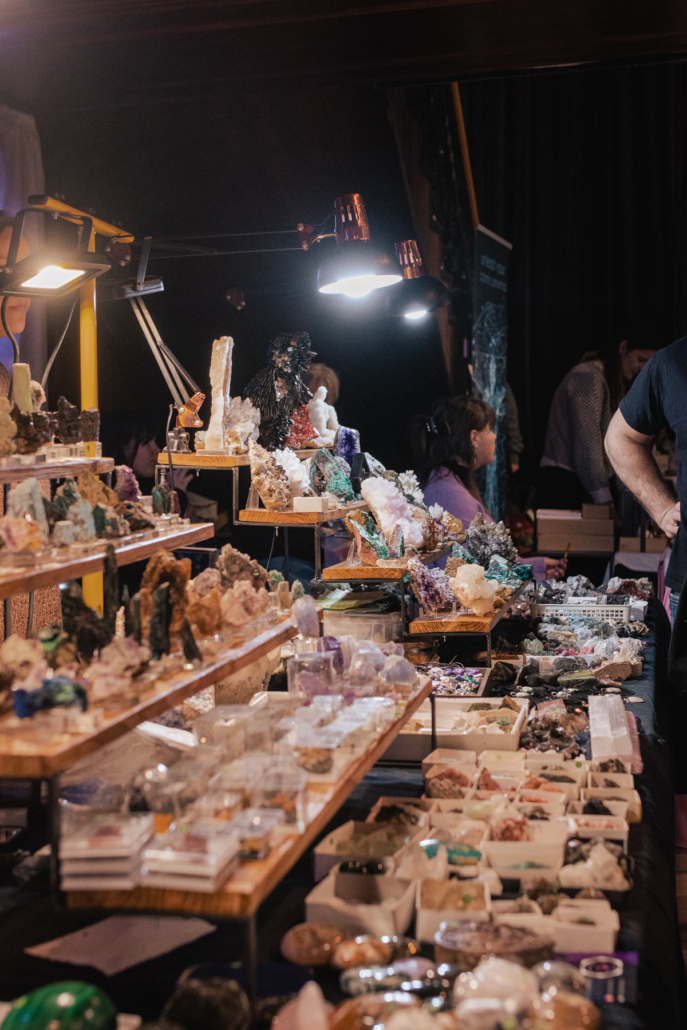
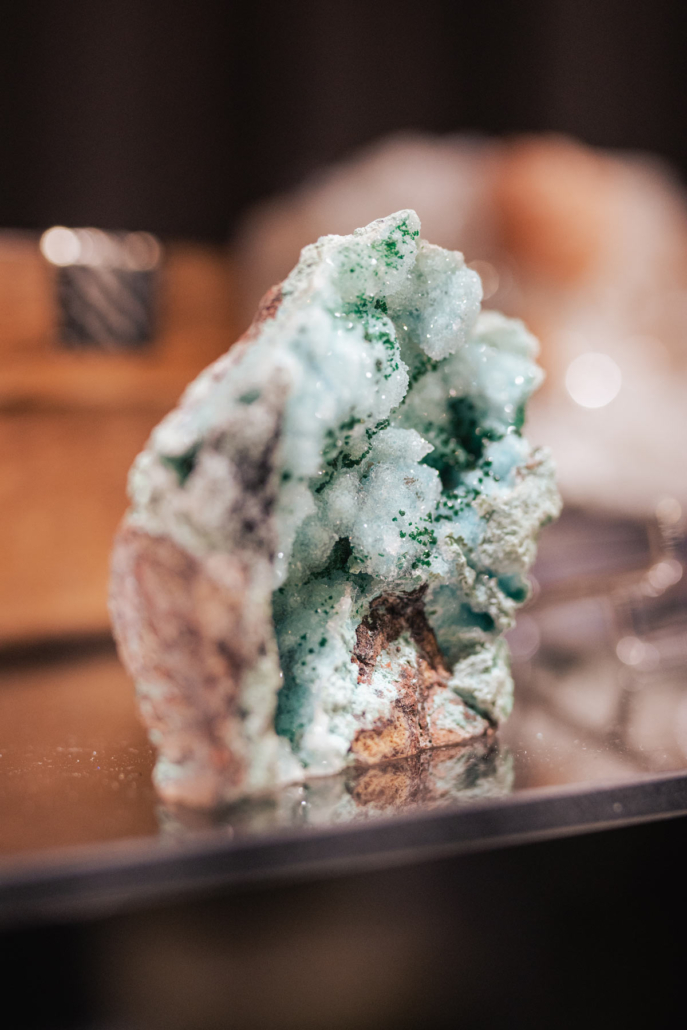
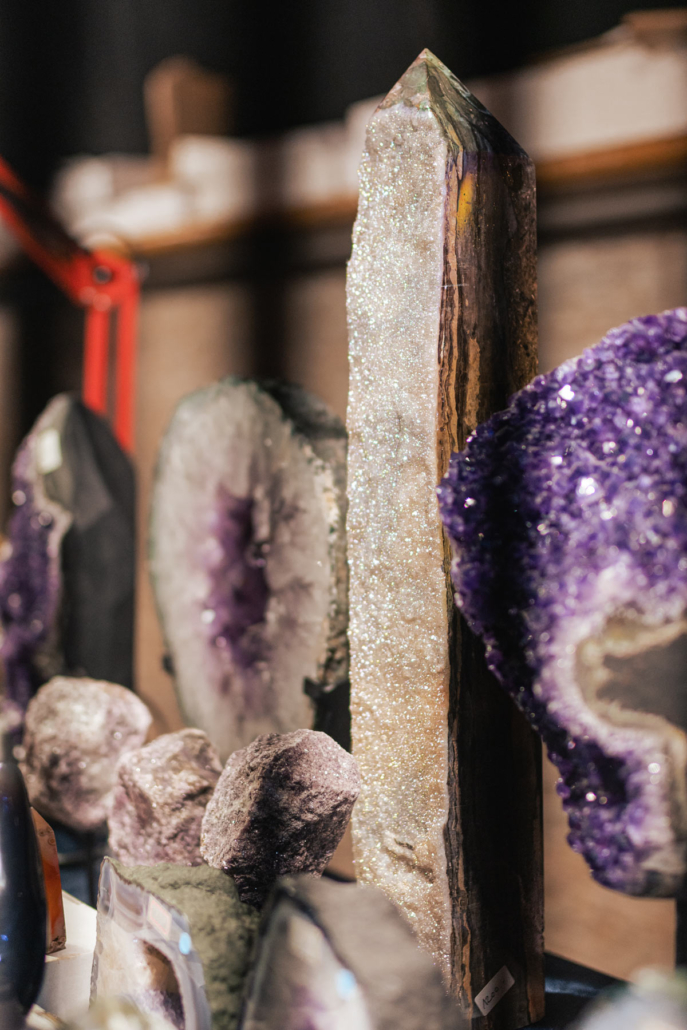
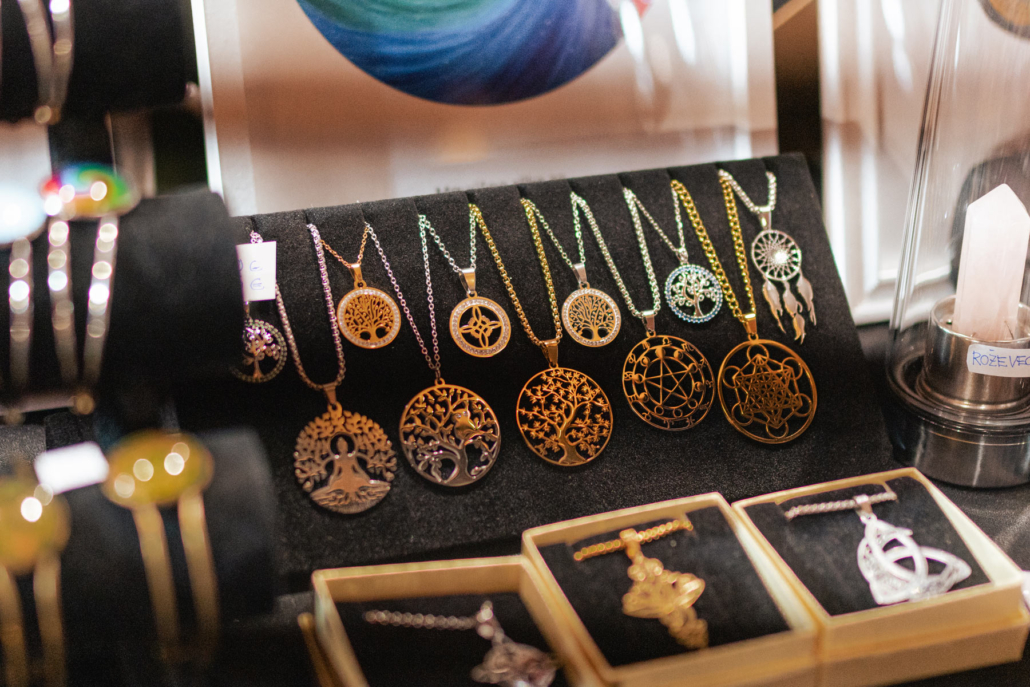
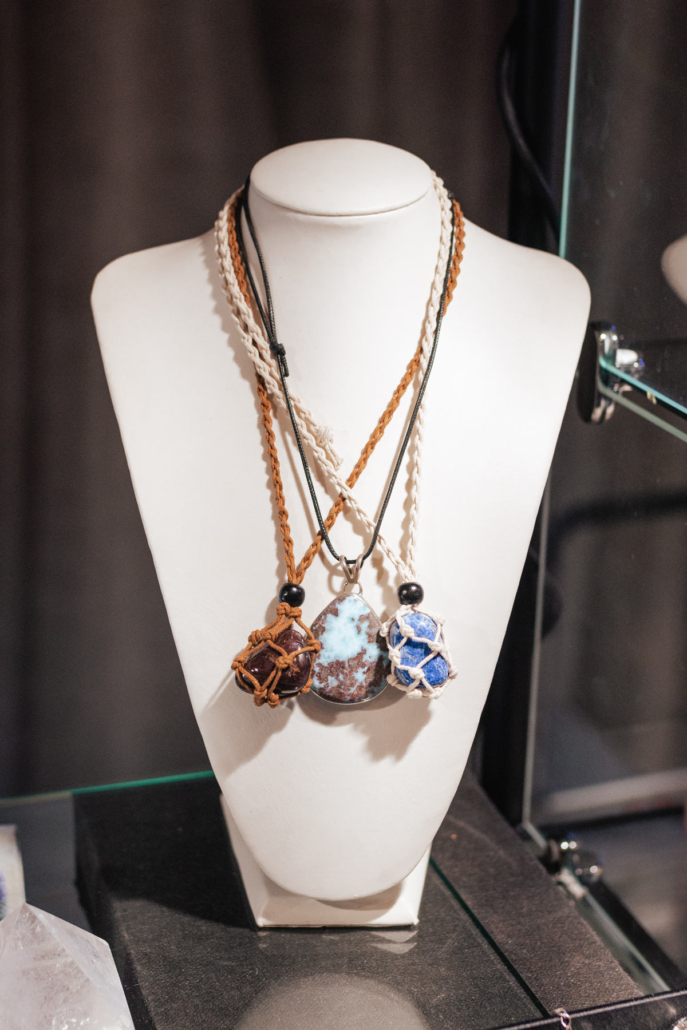
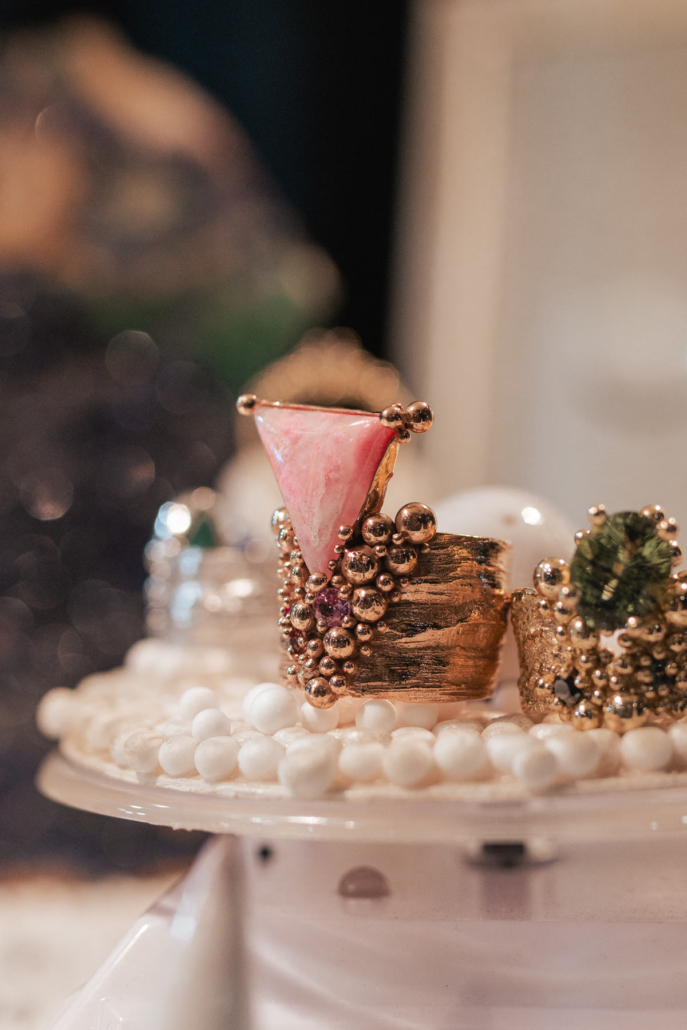
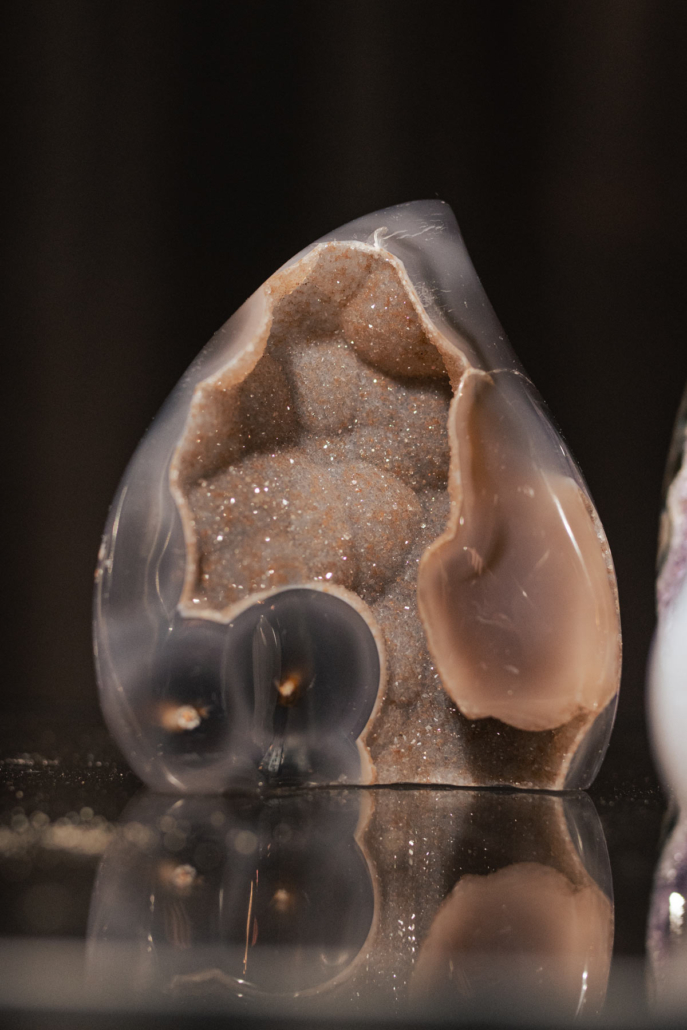
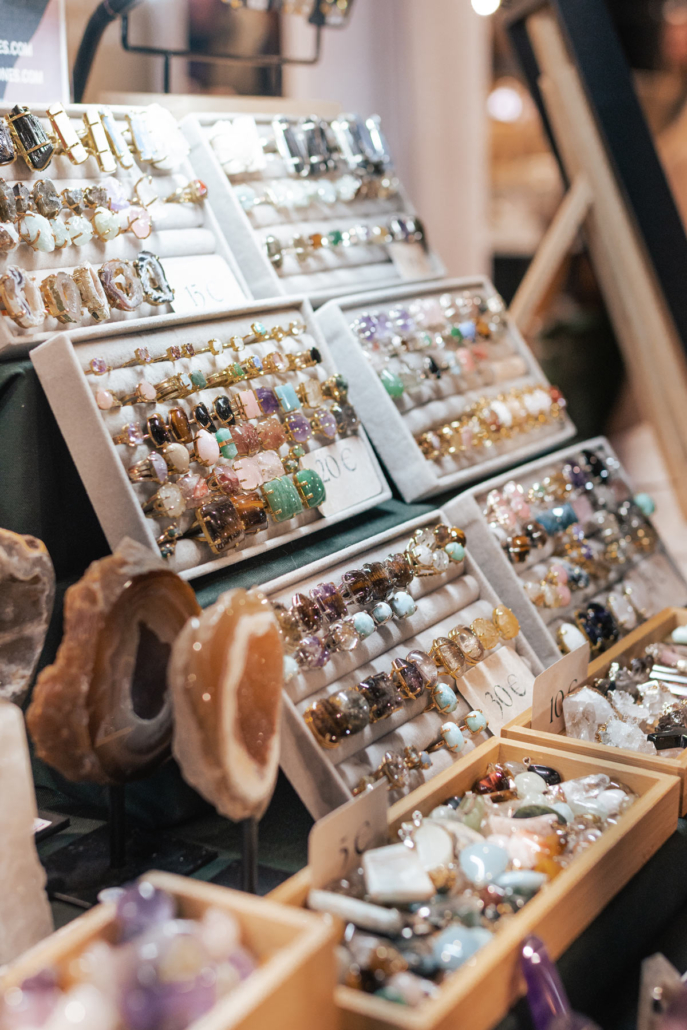
  • Selling minerals, fossils and jewellery

    Exhibitors from Slovenia and abroad

  • Workshop: jewellery making

    Goldsmith’s School Tina Mežek s.p.

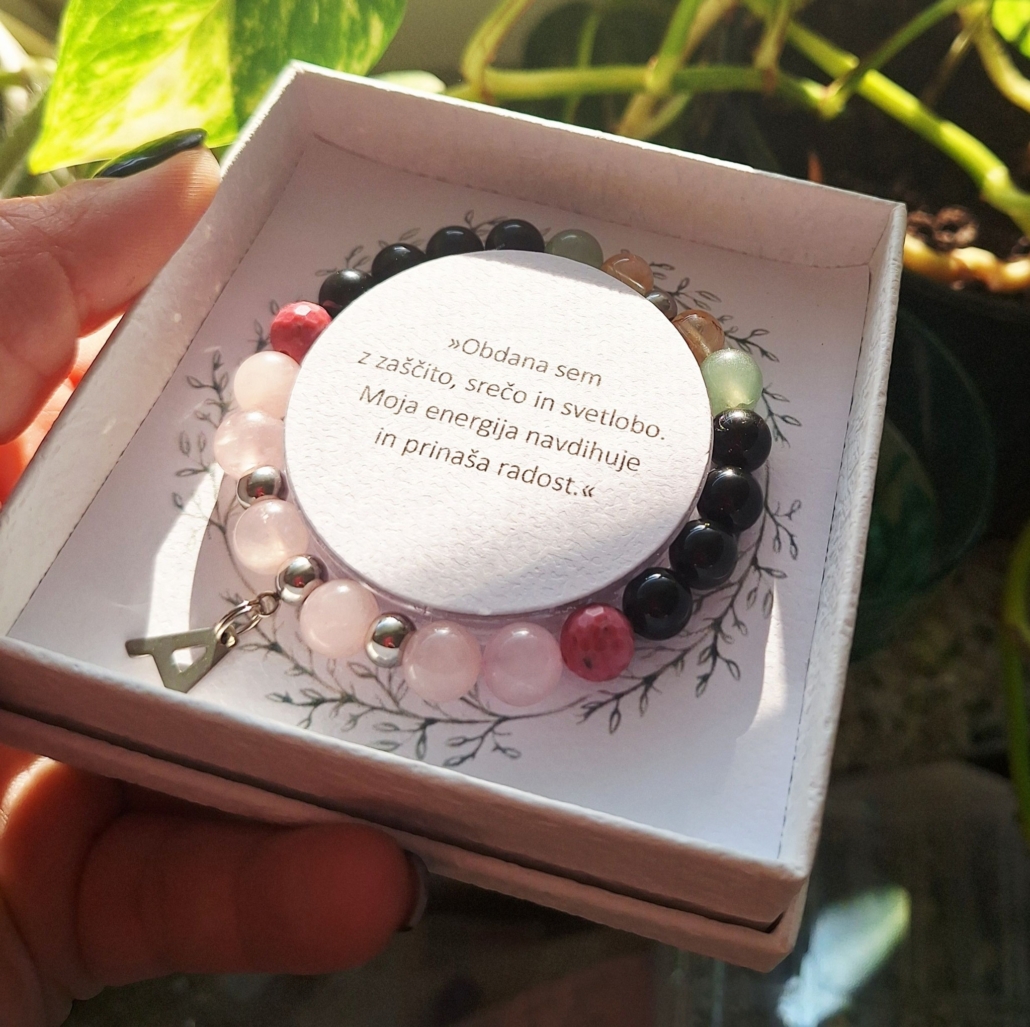
  • Creative workshop: Intuitive bracelet making

    Crystal therapist Sonja

  • Exhibition: Plant Fossils of Slovenia

    Viljem Podgoršek, Pangea

  • Exhibition: Rocks and minerals of western Pohorje

    Victory George

Workshop: jewellery making

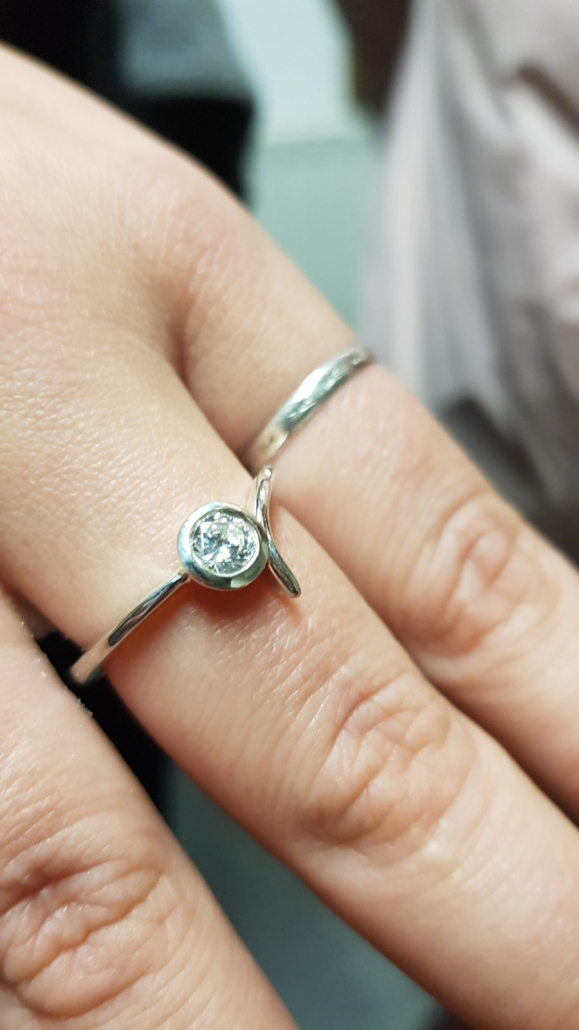
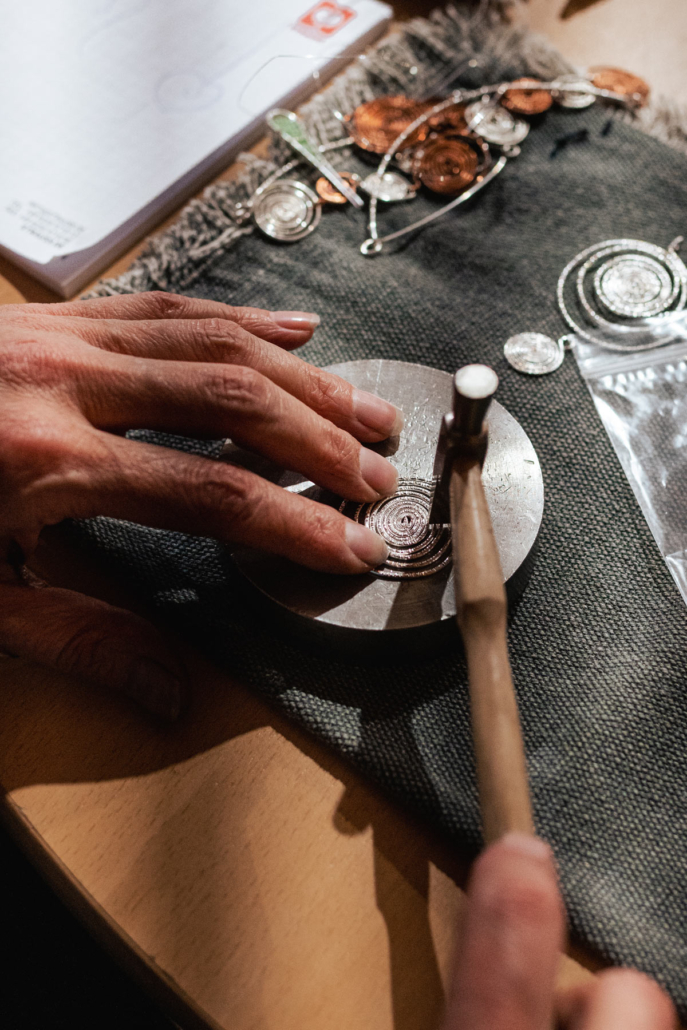
Under the auspices of the Tina Mežek Goldsmith School from Tržič, an exceptional jewelry workshop will be held that you should not miss! The workshop will be led by members of the goldsmith school, who will help participants create unique jewelry from copper wire.

Participants will have the opportunity to learn different wire shaping techniques and learn how to make beautiful pendants, earrings or bracelets from it. Each participant will have all the necessary materials and tools, as well as professional support, to create their own unique piece of jewelry.

Join us and awaken your creativity at a jewelry workshop!

In partnership with: The Goldsmith School Tina Mežek s.p.

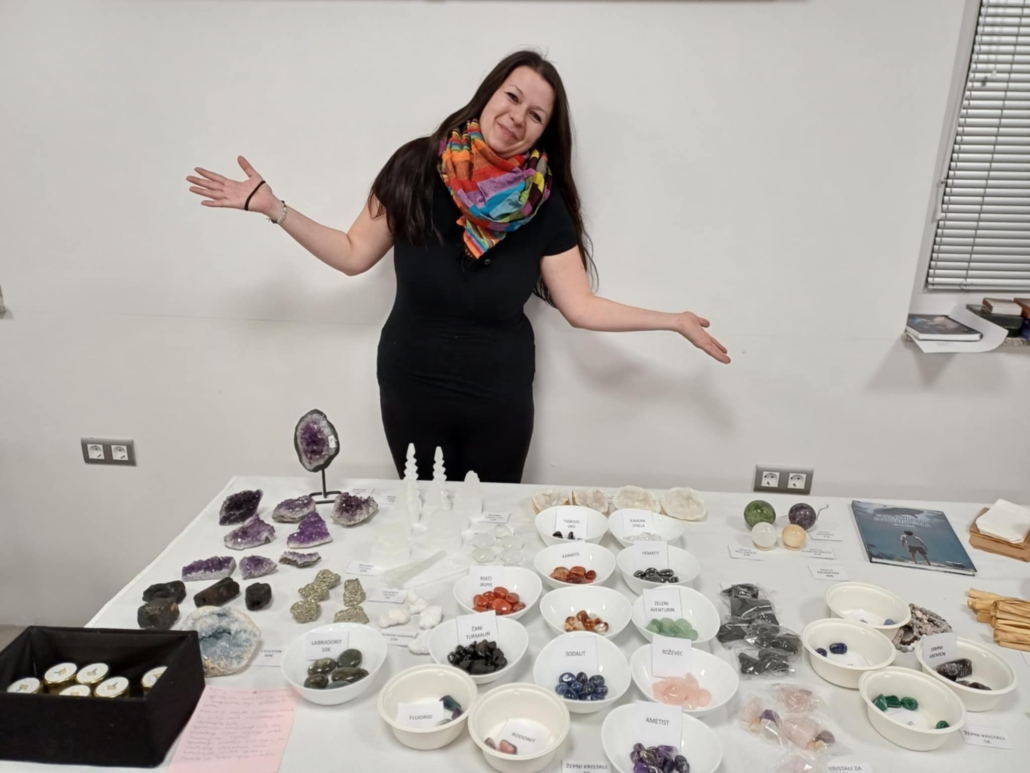
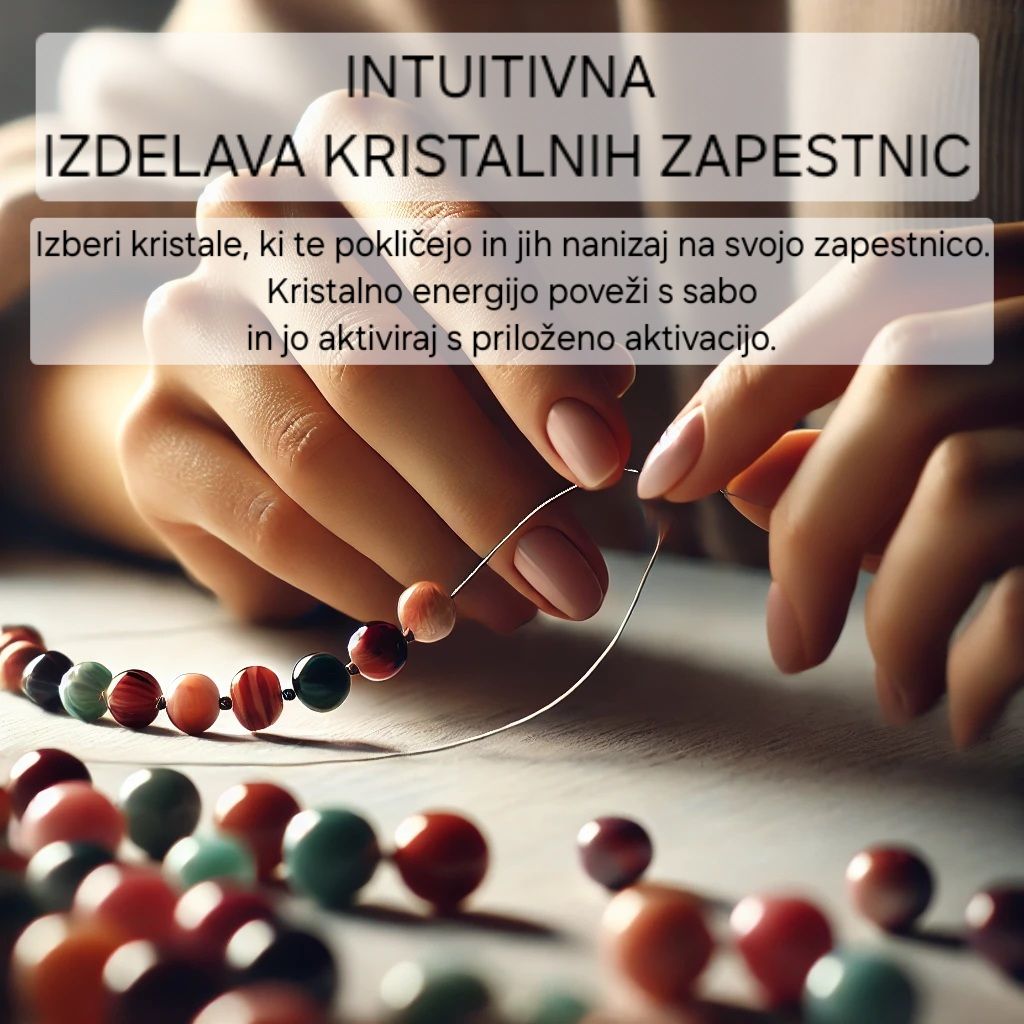
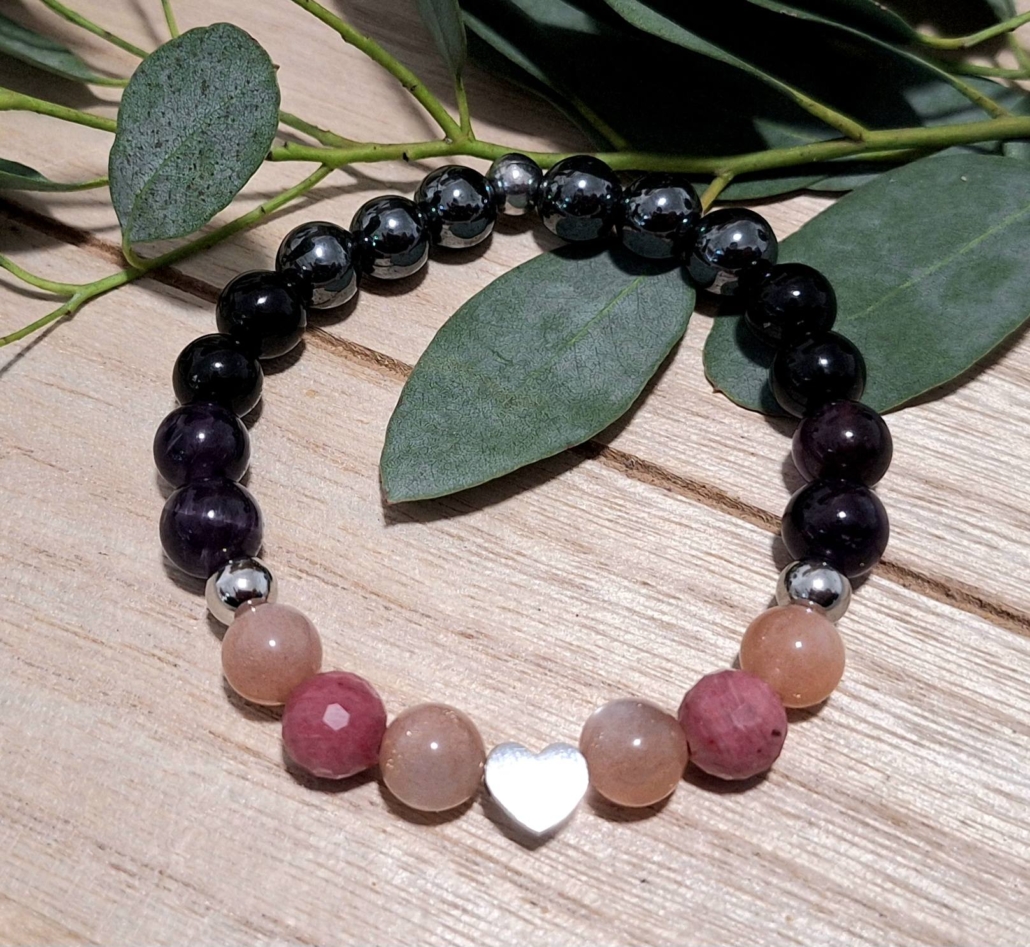
Creative workshop: Intuitive bracelet making with crystal therapist Sonja

There will be various crystal beads available, which you can intuitively choose and string on your bracelet. With the included activation, you will connect with your bracelet, in the embrace of your home, and energetically activate it for any area of ​​your life (healing, manifestation, protection…). In addition to the activation, you will also receive a small attention for the energetic cleansing of your bracelet.

The creative crystal workshop will be led by crystal therapist Sonja .

Selling minerals, fossils and jewellery

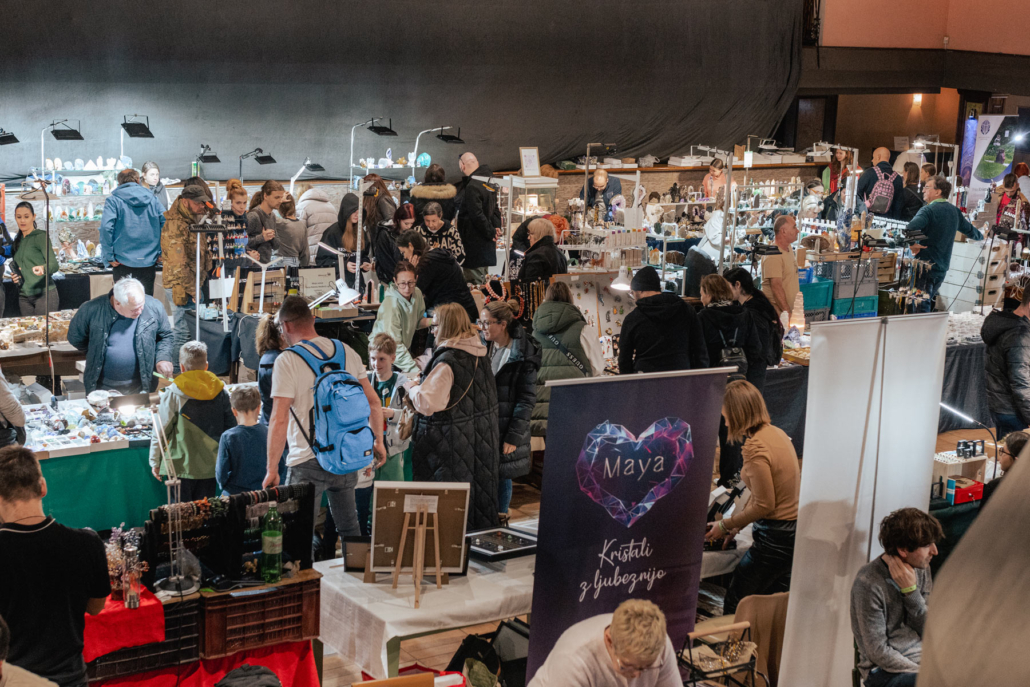
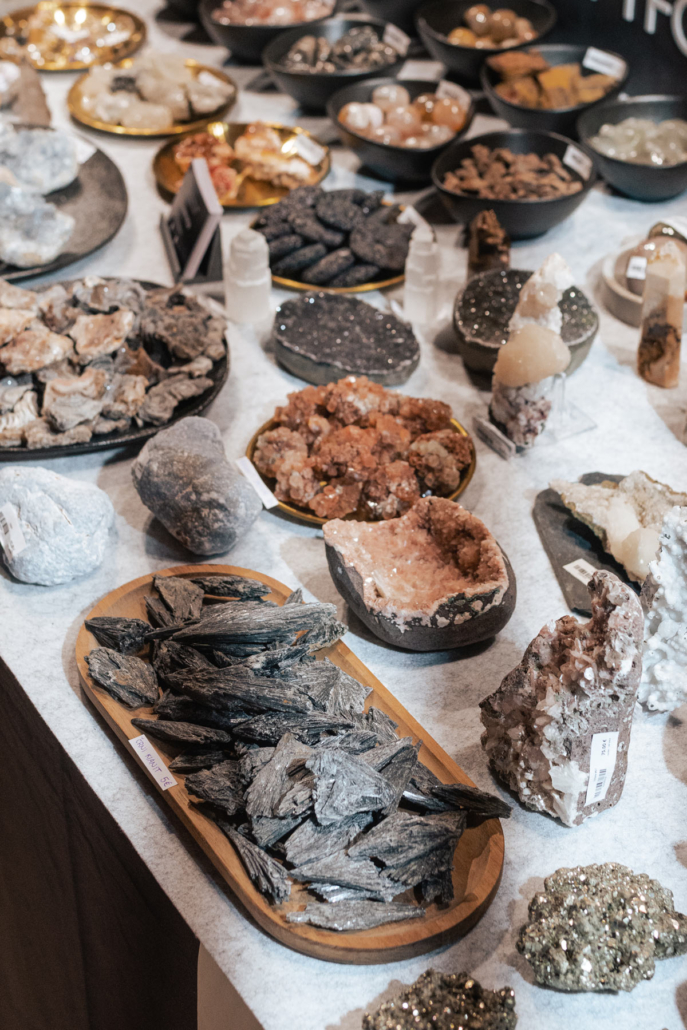
Exhibitors from Slovenia and abroad will offer you the most selected collections on 300 m2 of exhibition space to view and buy.

Exhibition: Plant Fossils of Slovenia

Most of the sedimentary rocks that make up the surface of Slovenia were formed during geological periods in a marine environment. Therefore, the fossil remains of organisms that inhabited coastal areas or even deeper seas predominate.

Nevertheless, there are some periods rich in remains, especially plant fossils. Many of them come from the early Paleozoic, when the plant world was significantly different from what we know today. The most important locations are in the Karavanke Mountains and the hilly region around the Ljubljana Basin. Few plant fossils are known from the entire Mesozoic, although its rocks cover the largest part of the territory of Slovenia.

Many more are from the Cenozoic, where they could accumulate so much that they were exploited as coal deposits in many places. They were mainly of local importance and were closed decades ago. Individual plant finds, however, were discovered mainly in areas of younger Tertiary rocks and can be very well preserved.

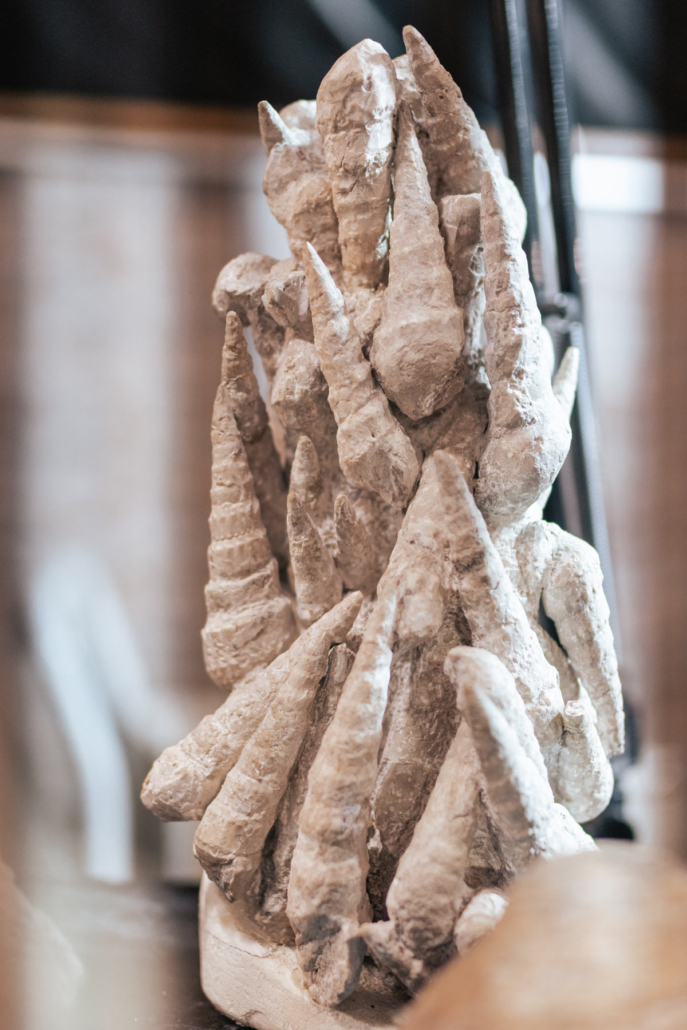
The exhibition will feature specimens of mainly charred and petrified plant fossils, but there is a particularly interesting piece from the Maribor area, where a fossil tree leaf and a sea urchin are preserved together.

Author: Viljem Podgoršek, Pangea

Exhibition: Rocks and minerals of western Pohorje

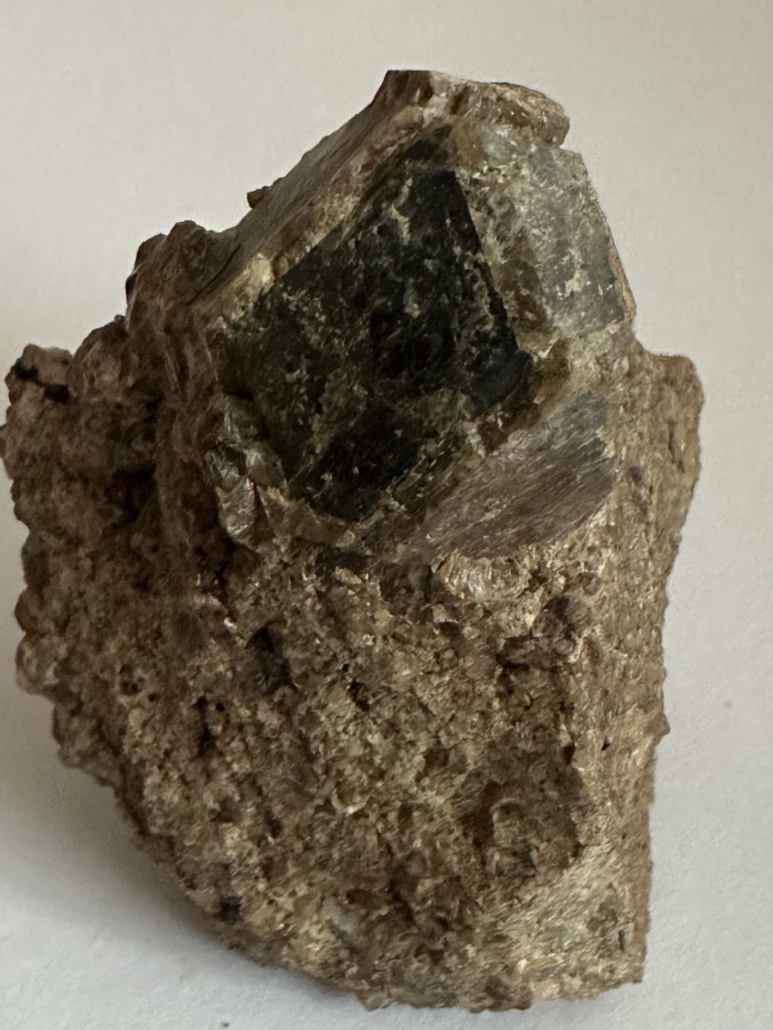
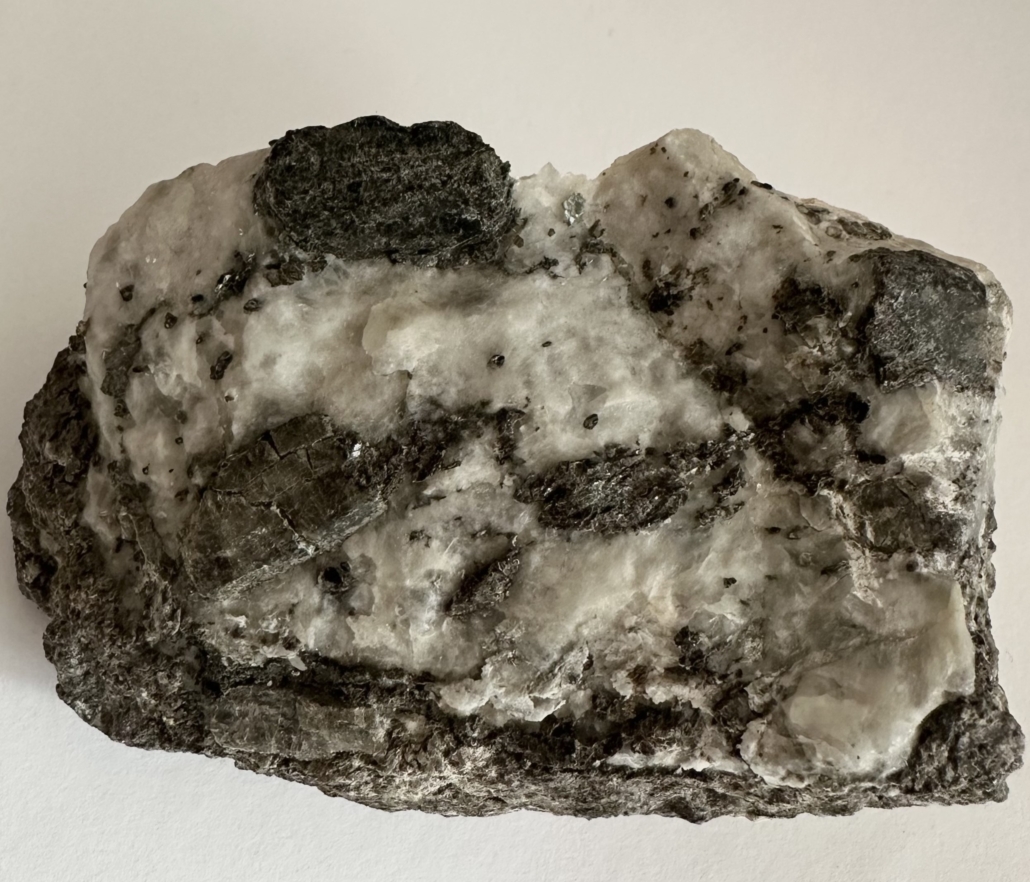
Western Pohorje differs from the eastern part in terms of geological structure. The ring is composed of rocks of the metamorphic complex, such as gneisses, breccias and diafluorite. In the older and younger Paleozoic, diabase, phyllite schists and quartz sandstones were formed. The most interesting is the dacite tunnel, which penetrated Silurian-Devonian layers and Cretaceous limestones.

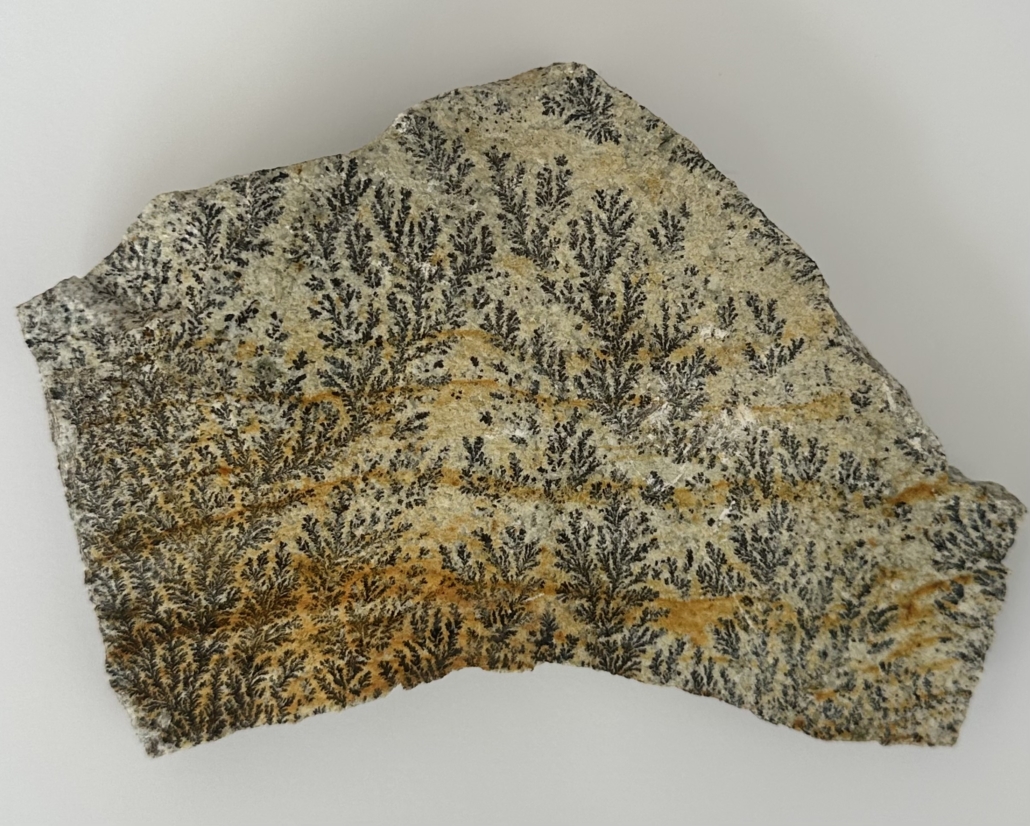
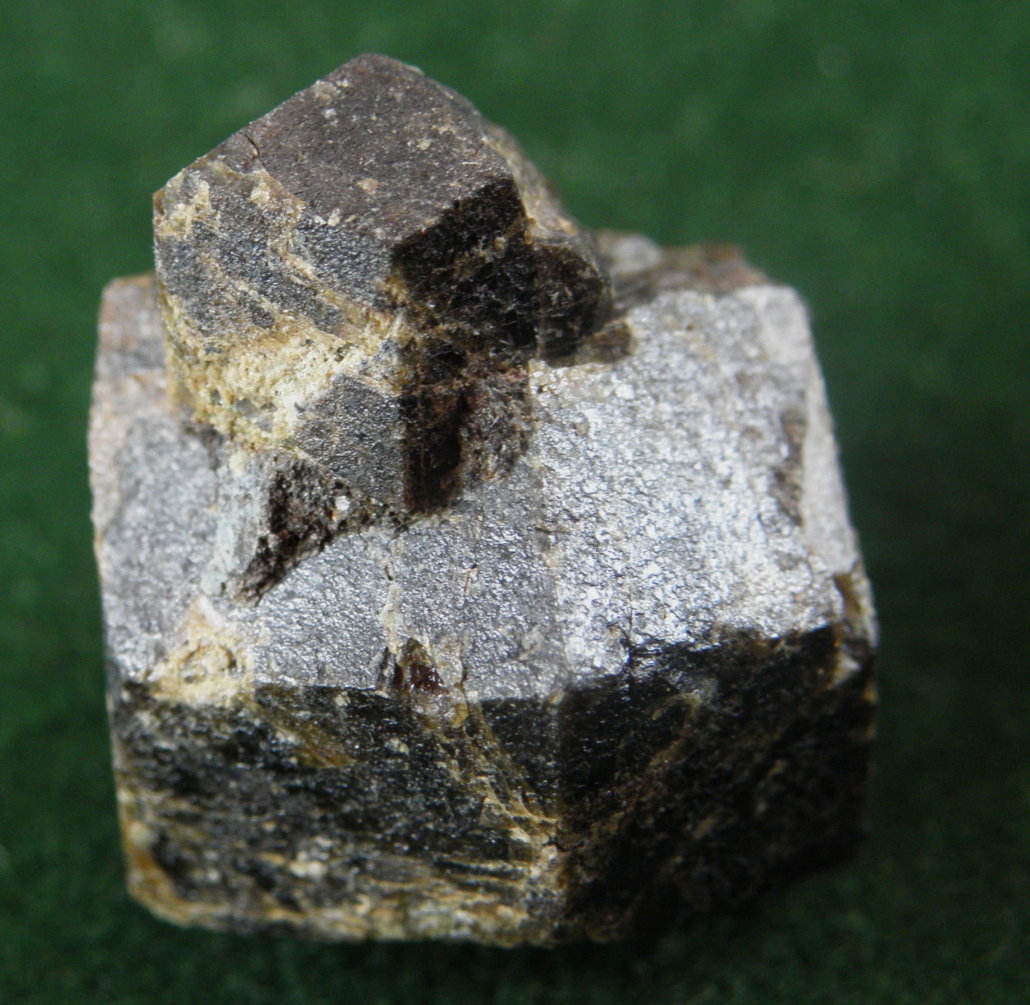
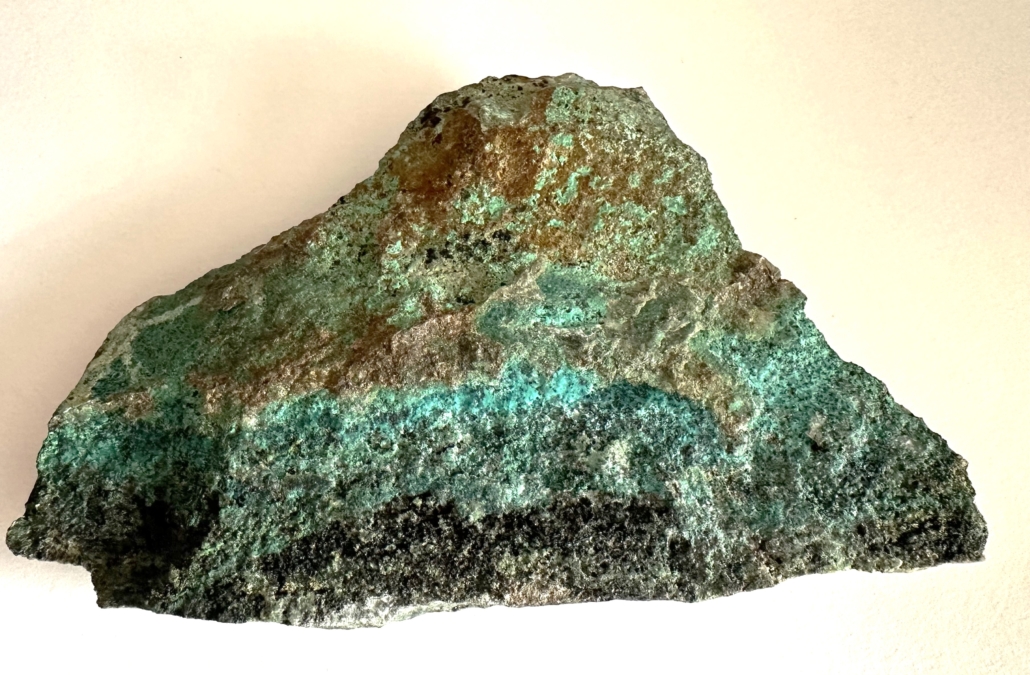
Contact metamorphic rocks were formed, such as hornblende, skarn and partial marbling of limestone. Iron ore also came to the surface with dacite. Magnetite is the most abundant, pyrite, pyrrhotite, hematite and limonite are less abundant. In the 18th and 19th centuries, iron ore was mined in Z Pohorje and smelted in the Mislinja ironworks by Zoisi and other blacksmiths. Among the skarns, garnet skarn is the most abundant, epidote is less abundant and hedembergite is very rare. In addition to iron ore, the minerals we can find are andradite garnets – grossular, epidote, plagioclase, zeolites, Mn dendrites, malachite and other copper minerals, scheelite, anatase ….

Author: Zmago Žorž

Application form

Due to great interest, we have filled all exhibition spaces. Unfortunately, we cannot accept new exhibitors at MineralFest Maribor 2025, but we invite you to follow our other events and hope to see you in Ljubljana or Koper.

Partners / Our Partners